Role-based, on-site anodizing training for operators, technicians, and production leads, focused on understanding cause and effect across the complete process chain.
Plan a training program
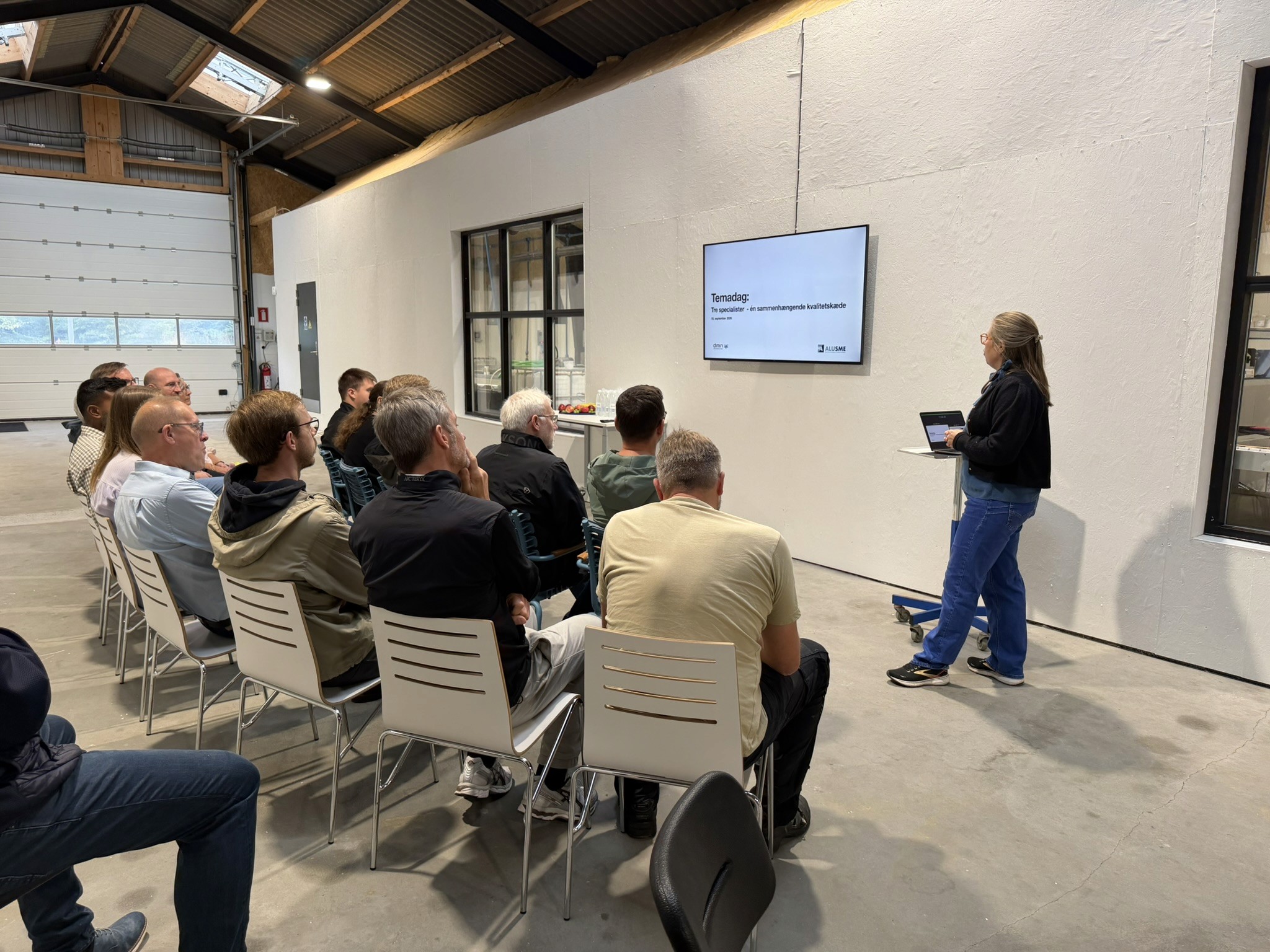
The Core Philosophy
From trial-and-error to cause-and-effect control
Operators often know which values to maintain without understanding how the complete process reacts when alloy, load, temperature, chemistry, or handling changes. AluSME training builds a shared cause-and-effect understanding, enabling teams to detect deviations earlier and make better production decisions. Every program is adapted to the customer’s equipment, chemistry, product mix, operator roles, and current production challenges.
Training Approach
A practical framework for stable production
What This Training Is
Structured, process-driven training for anodizing operations
Grounded in real production environments
Focused on understanding interactions across the full process chain
Centered on Type II sulfuric-acid anodizing, with Type III hard anodizing where relevant
What This Training Is Not
Not a certification program
Not a recipe book or parameter checklist
Not a substitute for adequate equipment, maintenance, or utilities
Not cosmetic problem masking
Training Tracks by Role
The right depth for every role on the line
Real Production Problems Addressed
Turn recurring defects into signals the team can act on
Curriculum Modules
A deep dive from chemistry to hands-on control
Module 1 – Fundamentals of Anodizing Chemistry
Module 2 – Surface Preparation & Anodizing Process Control
Module 3 – Anodic Coating Defects & Troubleshooting
Module 4 – Color & Dyeing
Module 5 – Appearance & Quality Assessment
Module 6 – Hands-On Anodizing
Module 7 – Design & Construction for Anodizing
Tailored Training
Duration and Structure
Choose the depth that matches your production reality
1–2 days
Core fundamentals and process understanding
3–4 days
Full technical coverage including defects, color, and QA
5 days
Complete program with extended hands-on training and deep troubleshooting
Understand anodizing. Make better decisions
Role-based anodizing training for operators, technicians, production leads, designers, and engineers. Programs connect material and finish requirements with the capabilities and limitations of the anodizing process.
Plan a training program